

The rise of e-hailing services, has transformed the way we think about transportation. Instead of hailing
a taxi on the street or waiting for a bus, we can now summon a ride with just a few taps on our
smartphone. This is just the beginning of the e-hailing revolution. As technology continues to advance,
we can expect even more changes in the years to come.
One of the most exciting developments in the e-hailing industry is the rise of autonomous vehicles.

These are cars that can drive themselves without human intervention. Companies and Google are
already testing autonomous vehicles on the roads, and some experts predict that they will become
mainstream in the next decade. This could revolutionize the way we think about transportation, as we
may no longer need to own cars or worry about parking.
Another technology that is transforming transportation is the Internet of Things (IoT). This refers to the
interconnected network of devices that can communicate with each other. For example, your
smartphone can communicate with your car, allowing you to unlock the doors or start the engine
remotely. In the future, IoT could enable even more advanced features, such as real-time traffic updates
and personalized route recommendations.
Artificial intelligence (AI) is also playing a significant role in the future of e-hailing. AI-powered
algorithms can help predict demand for rides, optimize routes for drivers, and even detect potential
safety risks. This could make e-hailing services even more efficient and convenient for passengers, while
also improving the experience for drivers.
Of course, with all of these advancements comes new challenges. For example, the rise of autonomous
vehicles raises questions about job security for human drivers. It also raises ethical concerns about how
to program these vehicles to make split-second decisions in potentially dangerous situations.
Privacy and security are also important issues to consider. With so much data being generated by e-
hailing services, it’s crucial to ensure that this data is being handled responsibly and transparently.
Despite these challenges, the future of e-hailing looks incredibly exciting. As technology continues to
advance, we can expect even more transformative changes in the way we get around. Whether it’s
through autonomous vehicles, IoT, or AI, the e-hailing industry is poised to revolutionize transportation
as we know it.
The following are few examples of the many ways that technology is transforming transportation and
the future of e-hailing:
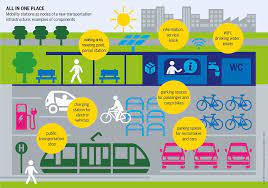
Mobility as a Service (MaaS): One potential direction for the future of e-hailing is a shift
towards Mobility-as-a-Service, which refers to a broader concept of mobility that includes all
modes of transportation, including public transit, ride-hailing, bike-sharing, and more. The idea
is to offer passengers a seamless, integrated experience that combines different modes of
transportation to create the most efficient and convenient route possible. E-hailing companies
could play a key role in this shift, by partnering with other transportation providers and offering
a one-stop-shop for all your mobility needs.
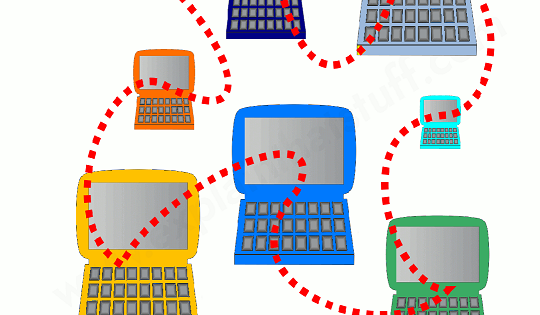
Block chain: Another technology that could play a role in the future of e-hailing is block chain,
which is a decentralized ledger system that enables secure, transparent transactions. By using
block chain technology, e-hailing companies could offer a more secure and efficient payment
system, while also providing greater transparency and accountability for drivers and passengers.
Electric Vehicles (EVs): As concerns over climate change continue to mount, there is growing
interest in electric vehicles as a way to reduce carbon emissions from transportation. E-hailing
companies are well-positioned to lead the shift towards EVs, as they can provide the
infrastructure needed to support widespread adoption. In fact, some e-hailing companies are
already investing heavily in EVs.

Virtual Reality (VR): While it may seem like science fiction, some experts predict that virtual
reality could play a role in the future of transportation. For example, passengers could use VR
headsets to explore different destinations before they arrive, or even to attend virtual meetings
or events without leaving their home. While this technology is still in its infancy, it’s worth
keeping an eye on as it could have significant implications for the future of e-hailing and
transportation more broadly.

In Nigeria, e-hailing services have transformed transportation by providing a safer and more convenient
alternative to traditional taxis and public transportation. Here are some specific ways that e-hailing
services have impacted transportation in Nigeria:
Safety: E-hailing services provide a safer transportation option, particularly for women and
other vulnerable groups. Passengers can track the ride in real-time, share their location with
friends or family, and rate their drivers after the ride.
Convenience: E-hailing services offer a more convenient option for transportation, especially in
congested cities like Lagos and Abuja. Passengers can request a ride from their phone and be
picked up within minutes, rather than waiting on the street for a taxi.
Job creation: E-hailing services have also created new job opportunities for drivers, who can
earn a living wage by working flexible hours. Many drivers who previously struggled to find work
are now able to support their families through driving for e-hailing companies.
Reduced congestion: With more people using e-hailing services, there may be a reduction in the
number of cars on the road, which can help to alleviate congestion and reduce traffic.
Improved efficiency: E-hailing services use advanced technology like GPS and real-time tracking
to optimize routes and reduce wait times, which can help to improve the efficiency of
transportation in Nigeria.
Overall, e-hailing services have transformed transportation in Nigeria by providing a safer, more
convenient, and more efficient alternative to traditional taxis and public transportation. They
have also created new job opportunities and contributed to the growth of Nigeria’s economy.
The transportation industry in Nigeria has undergone a significant transformation in recent years, thanks
to the rise of e-hailing services. These services offer a safer, more convenient, and more efficient
alternative to traditional taxis and public transportation. With the introduction of Gab, a new e-hailing
company in Nigeria, the industry is poised for even more change.

Gab have become a key stakeholder in the transformation of transportation in Nigeria. Here are some
ways that Gab has differentiated itself in this competitive market:
Focus on Safety and Reliability
Safety and reliability are top concerns for passengers, especially in a country like Nigeria where crime
rates are high. Gab has differentiated itself by prioritizing safety and reliability. This includes driver
background checks, regular vehicle maintenance, and clear communication with passengers. Gab is
poised with providing a safe and reliable service to its customers.
Competitive Pricing and Discounts Pricing is a major factor that influences passengers’ choice of e-hailing services. Gab has differentiated
itself by offering competitive pricing and discounts to new customers; keeping its prices low and offering
discounts to first-time riders. This also helps to attract price-sensitive customers who may be more likely
to choose Gab over its competitors.

Seamless Mobile Experience
E-hailing services are primarily used through mobile apps. This is why Gab has prioritized a seamless
mobile experience for users which includes a user-friendly interface, real-time ride tracking and easy
payment options. By providing a seamless mobile experience, Gab has made it easy for customers to
book a ride and pay for it, thereby increasing customer satisfaction and loyalty.

Responsive Customer Support
Customer support is an important factor that can influence a passenger’s choice of e-hailing service. Gab
has differentiated itself by providing responsive customer support. We have achieved this by promptly
addressing any issues or concerns that passengers may have, Gab have built a reputation for excellent
customer service. This helps to attract new customers and retain existing ones.

Partnerships with Businesses and Organizations
Gab has also built partnerships with businesses and organizations to expand its reach and increase its
customer base. This includes partnerships with hotels, airports, and event centers, as well as
partnerships with corporate clients who can use Gab for employee transportation. By building these
partnerships, Gab increases its visibility and attracts new customers steadily.

Conclusion
Gab has become a key stakeholder in the transformation of transportation in Nigeria. This has been
achieved by focusing on safety and reliability, offering competitive pricing and discounts, providing a
seamless mobile experience, offering responsive customer support and building partnerships with
businesses and organizations.