

In today’s fast-paced world, the ride-hailing industry has undergone a significant transformation, not only restructuring transportation but also empowering individuals with disabilities. Companies like Gab are leading the charge by implementing innovative solutions that cater to the unique needs of individuals with disabilities. In this article, we will explore five ways ride-hailing is enhancing accessibility for passengers with disabilities.
Wheelchair-Accessible Vehicles
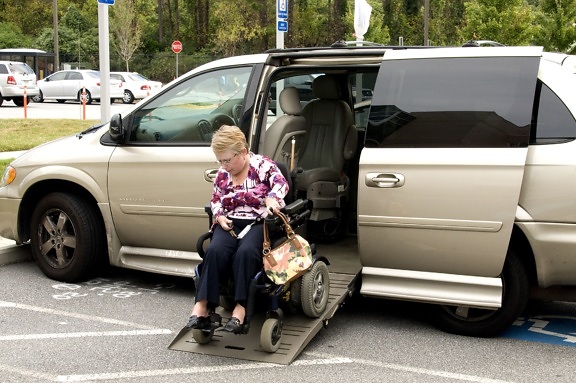
One of the most significant challenges faced by passengers with disabilities is finding accessible transportation options. Traditional taxis often lack the infrastructure to accommodate individuals who use wheelchairs or have limited mobility. Ride-hailing companies like Gab have addressed this issue by incorporating wheelchair-accessible vehicles into their fleets. By providing specially equipped vans and ensuring trained drivers, Gab ensures that individuals with disabilities have reliable and convenient transportation options at their fingertips.
In-App Accessibility Features
Gab understands the importance of creating an inclusive user experience for all passengers. To cater to individuals with visual impairments, the Gab app is designed with accessibility features that promote a seamless booking process. Voice-over compatibility, high-contrast interfaces, and intuitive navigation enable visually impaired passengers to easily request rides, view ride details, and communicate with their drivers.

Special Assistance and Support
Passengers with disabilities often require additional assistance and support during their rides. Gab prioritizes passenger safety and comfort by offering features like “Assistance Required” and “Special Instructions” during the booking process. This allows passengers to communicate specific needs to their drivers, such as requiring assistance with boarding, securing a wheelchair, or any other unique requirements. By providing a platform for clear communication, Gab ensures a stress-free experience for passengers with disabilities.
Trained and Sensitized Drivers
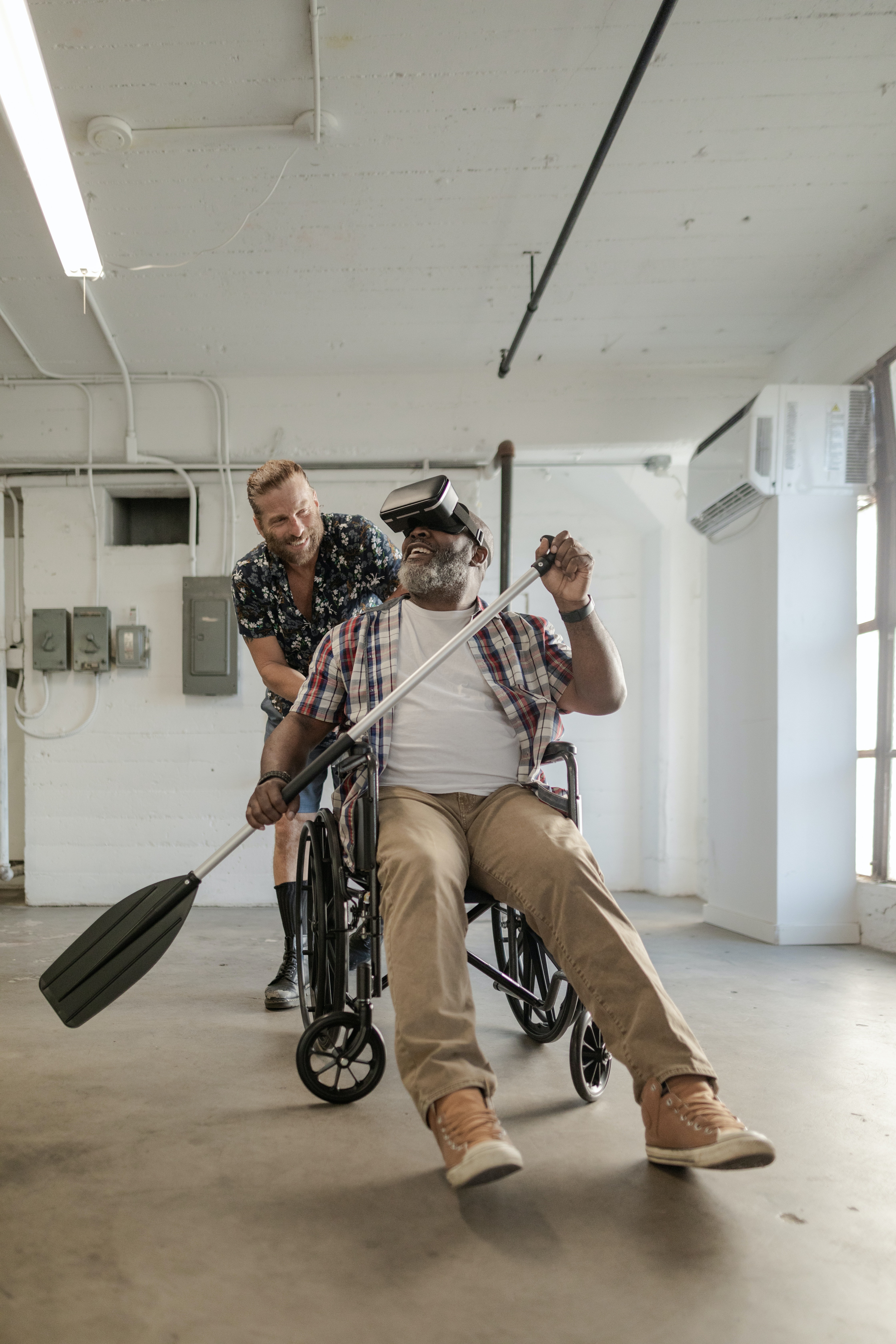
Ride-hailing companies like Gab recognize the importance of driver training and sensitization towards passengers with disabilities. They conduct specialized training programs to educate drivers on best practices when interacting with individuals who have different needs. Drivers are trained to provide proper assistance, maintain an inclusive environment, and accommodate specific requirements. This commitment to driver education fosters a culture of empathy and understanding, resulting in a more inclusive transportation experience.

Partnership with Disability Organizations
Gab actively collaborates with disability organizations and advocacy groups to create a more accessible transportation ecosystem. By working closely with these organizations, Gab gains valuable insights into the challenges faced by passengers with disabilities and identifies areas for improvement. This collaborative approach ensures that the company continues to enhance its services and remains at the forefront of accessibility innovation.

In conclusion, the ride-hailing industry has undoubtedly transformed the transportation landscape for individuals with disabilities. Through innovative solutions and a commitment to inclusivity, companies like Gab have revolutionized accessibility, providing passengers with disabilities the freedom to travel independently and with confidence. By offering wheelchair-accessible vehicles, incorporating in-app accessibility features, providing special assistance, training drivers, and collaborating with disability organizations, ride-hailing services are paving the way for a more accessible future. With their continuous efforts, these companies are bridging gaps and making transportation a truly inclusive experience for all.