

Ride-hailing services have revolutionized the way we travel, offering convenience, flexibility, and affordable transportation options. One such prominent player in the ride-hailing industry is Gab, a company that is leaving an indelible mark on both social and economic landscapes. In this blog, we will delve into the social and economic impacts of ride-hailing services, with a specific focus on Gab.
Enhanced Mobility and Accessibility
One of the most significant social impacts of Gab and other ride-hailing platforms is the improved mobility and accessibility they provide. These services have made it easier for people, particularly those without private vehicles, to navigate urban areas and reach their destinations quickly. Gab’s user-friendly app and widespread availability have empowered individuals with increased independence and reduced reliance on traditional transportation methods.

Economic Opportunities for Drivers
Gab has created numerous economic opportunities for individuals seeking flexible employment. By becoming a driver for Gab, people can earn income on their own terms, choosing their working hours and leveraging their existing vehicles. This has proven to be particularly beneficial for those who may struggle to find traditional employment or need additional income to support their families. Gab’s platform offers a seamless way for drivers to connect with passengers and earn a living.

Congestion and Pollution Reduction
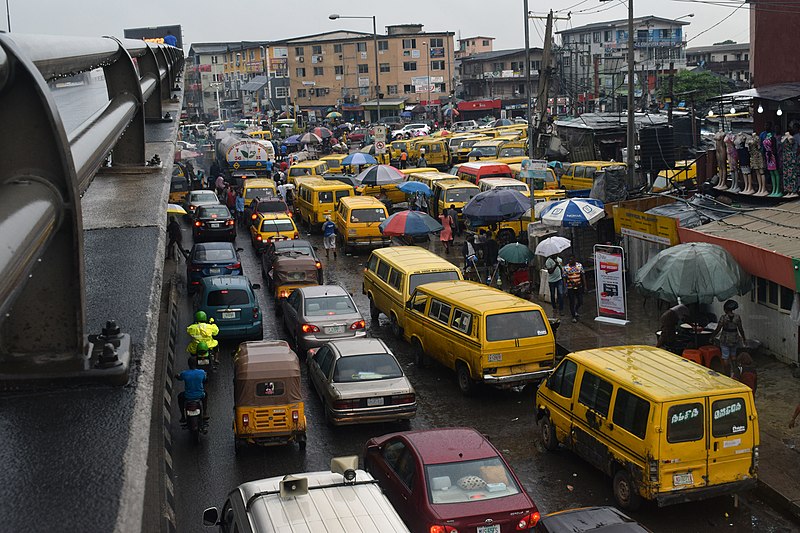
Ride-hailing services like Gab have the potential to address some of the environmental challenges associated with private car ownership. By encouraging shared rides and reducing the number of cars on the road, Gab has contributed to a reduction in traffic congestion and greenhouse gas emissions. The optimization algorithms used by ride-hailing companies like Gab help streamline routes, minimize detours, and promote carpooling, ultimately leading to a greener and more sustainable urban environment.
Improved Safety and Security
Gab places a high priority on passenger safety, implementing stringent driver background checks, vehicle inspections, and real-time GPS tracking. Through these safety measures and driver rating systems, Gab has enhanced passenger confidence in ride-hailing services. Additionally, the digital record of each trip provides an additional layer of security, benefiting both passengers and drivers. This focus on safety has had a positive impact on personal security and peace of mind for all stakeholders.

Disruption of Traditional Transportation
The rise of ride-hailing services has disrupted traditional transportation industries, such as taxis and car rentals. While this has caused challenges and resistance in some markets, it has also stimulated innovation and competition. Leading to improved services and more affordable options for consumers. Gab’s entry into the market has fostered healthy competition, resulting in better pricing, higher service quality, and greater customer satisfaction.

Conclusively, Gab and other ride-hailing services have transformed the way we travel, leaving a lasting impact on both society and the economy. Through enhanced mobility and accessibility, economic opportunities for drivers, reduced congestion and pollution, improved safety and security, and disruption of traditional transportation, Gab is playing a crucial role in shaping the future of transportation. As we move forward, it is essential to embrace the positive impacts of ride-hailing services while addressing any challenges that may arise, ensuring a sustainable and inclusive transportation ecosystem for all.